
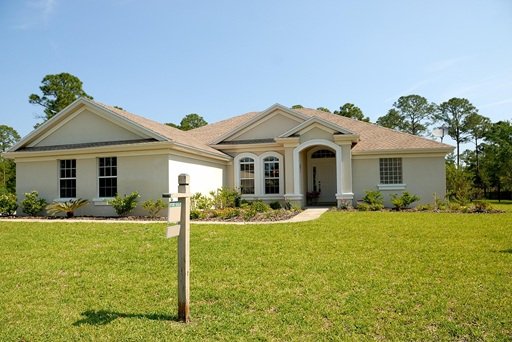
For many homeowners, a house represents more than just a place to live—it is also one of their most valuable financial assets. As retirement approaches, some homeowners look for ways to access the equity they have built over the years without selling their property. This is where Reverse Mortgage Ontario options can become a practical financial solution.
A reverse mortgage allows eligible homeowners to convert a portion of their home equity into tax-free funds while continuing to live in their home. Understanding how this financing option works can help you determine whether it aligns with your financial goals and retirement plans.
What Is a Reverse Mortgage?
A Reverse Mortgage Ontario homeowners may consider is a loan secured against the equity in their home. Unlike a traditional mortgage, borrowers generally do not make regular monthly mortgage payments. Instead, the loan balance increases over time as interest accumulates, and repayment typically occurs when the home is sold or the homeowner permanently moves out.
This financing option is designed to provide access to home equity while allowing homeowners to remain in their residence.
How Does It Work?
The process is relatively simple:
- The homeowner applies for a reverse mortgage.
- The property is evaluated to determine available equity.
- Eligible funds are provided as a lump sum, scheduled payments, or a combination of both.
- The homeowner continues living in the home while remaining responsible for property taxes, insurance, and maintenance.
- The loan is repaid when the property is sold or ownership changes according to the loan agreement.
Who May Benefit from a Reverse Mortgage?
A Reverse Mortgage Ontario solution may be suitable for homeowners who have significant home equity and want to improve their financial flexibility during retirement.
Supplement Retirement Income
Many retirees use home equity to help cover everyday living expenses without selling their home.
Fund Home Improvements
Some homeowners choose to renovate or modify their property to better suit changing mobility or lifestyle needs.
Cover Healthcare Expenses
Unexpected medical costs can place pressure on retirement savings. Accessing home equity may provide additional financial support.
Improve Cash Flow
A reverse mortgage can help reduce financial stress by providing access to funds while allowing homeowners to remain in familiar surroundings.
Advantages of a Reverse Mortgage
Understanding the benefits can help homeowners decide whether this financing option meets their needs.
Continue Living in Your Home
One of the biggest advantages of a Reverse Mortgage Ontario option is the ability to remain in your home while accessing its equity.
No Regular Mortgage Payments
Unlike conventional mortgages, borrowers are generally not required to make monthly mortgage payments, although they must continue maintaining the property and paying applicable expenses.
Flexible Access to Funds
Depending on the loan structure, homeowners may receive funds in different ways to better suit their financial objectives.
Maintain Home Ownership
Borrowers typically retain ownership of the property as long as they meet the terms of the mortgage agreement.
Important Considerations
While a reverse mortgage offers flexibility, it is essential to understand the responsibilities involved.
Home Equity Changes Over Time
Because interest is added to the loan balance, the remaining home equity may decrease over time.
Ongoing Property Responsibilities
Homeowners remain responsible for maintaining the property, paying insurance premiums, and covering property taxes.
Long-Term Financial Planning
Before choosing a Reverse Mortgage Ontario option, borrowers should carefully evaluate how the loan fits into their overall retirement and estate planning goals.
Common Misconceptions
Several myths surround reverse mortgages.
Myth: You Give Up Ownership
In most cases, homeowners continue to own their property while meeting the mortgage requirements.
Myth: You Must Move Out
A reverse mortgage is specifically designed to help eligible homeowners remain in their homes.
Myth: It Is Only for Financial Emergencies
Many homeowners use Reverse Mortgage Ontario solutions as part of a broader retirement strategy rather than only during periods of financial hardship.
Tips Before Applying
Proper preparation helps ensure the financing decision supports your long-term needs.
Review Your Retirement Goals
Consider how accessing home equity fits into your overall financial plan.
Understand the Loan Terms
Carefully review repayment conditions, interest calculations, and homeowner responsibilities.
Evaluate Alternative Options
Comparing different financing strategies can help determine whether a reverse mortgage is the most appropriate solution.
Discuss Plans with Family
Since a reverse mortgage may affect future home equity, open communication with family members can help everyone understand the long-term implications.
Is a Reverse Mortgage Right for You?
Every homeowner’s financial situation is different. A Reverse Mortgage Ontario solution may be beneficial for individuals who want additional retirement income, wish to remain in their home, and have accumulated substantial equity.
However, it is important to balance immediate financial needs with long-term objectives before making a final decision.
Conclusion
A Reverse Mortgage Ontario option can provide homeowners with greater financial flexibility while allowing them to continue living in the home they value. By converting home equity into accessible funds, retirees may enhance their financial security without immediately selling their property.
Understanding how reverse mortgages work, evaluating the benefits and responsibilities, and planning carefully for the future are essential steps toward making an informed decision. With thoughtful preparation, a reverse mortgage can become a valuable tool for supporting a comfortable and financially stable retirement.










Leave a Reply